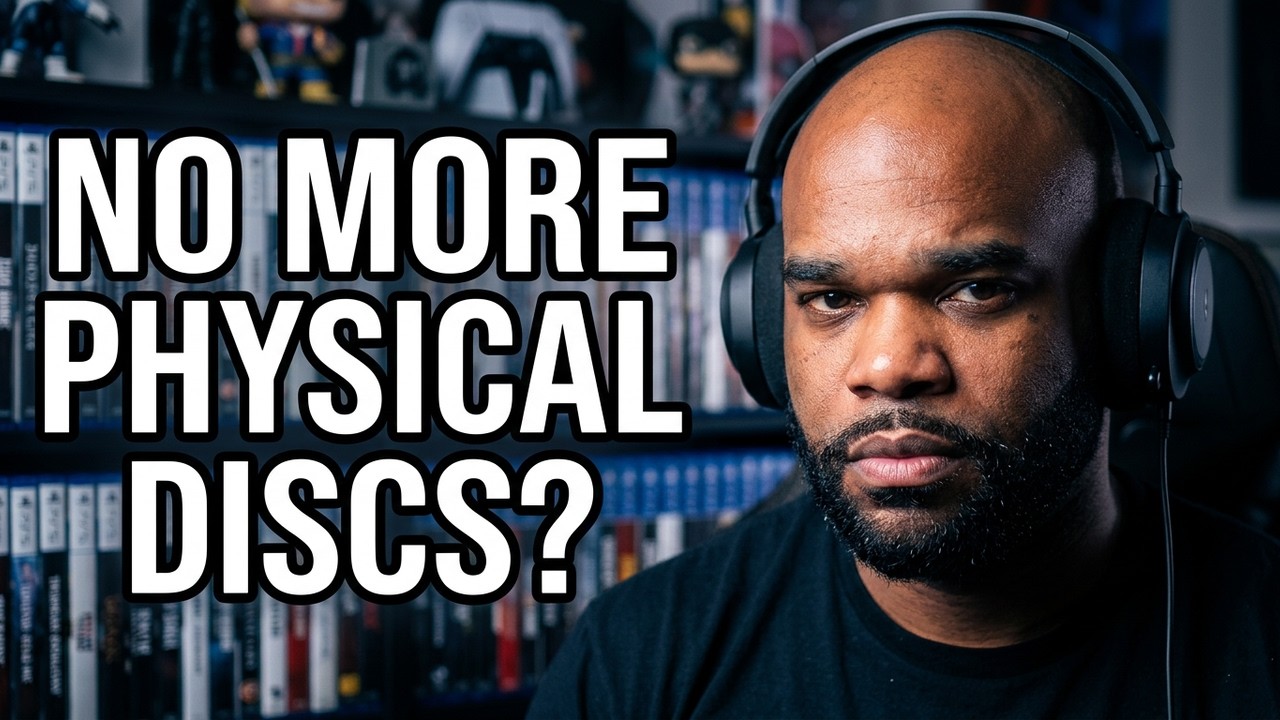
Sony Deleted 551 Movies, GTA 6 Has No Discs, and You Don't Own Anything Digital
|
|
|
What Sony Actually Did — and Why It's Bigger Than 551 Movies |
| In late June 2026, Sony sent emails to UK PlayStation users informing them that 551 films and TV shows they had paid for would be permanently removed from their libraries on September 1, 2026. The reason: Sony's licensing agreement with StudioCanal expired and wasn't renewed. The titles disappearing include Terminator 2, John Wick, Hot Fuzz, La La Land, Total Recall, Paddington, From Dusk Till Dawn, and hundreds more. Films people paid full price for — gone. Sony's email response was "you will no longer be able to watch any of your previously purchased StudioCanal content, and it will be removed from your video library." That was followed by: "Thank you." No refunds. No compensation. Not even a word of apology. And for context — Sony posted $7.535 billion in profit in 2025. They had the money. They made a choice. This isn't a first either: Sony pulled 314 StudioCanal titles in Germany and 137 in Austria back in 2022, same reason, same silence. UK users are just now getting their turn. If you're in the US and thinking "that won't happen here" — you might want to rethink that. |
|
You Don't Own It — You Never Did |
| Here's the part nobody reads until it's too late: every digital purchase — on PlayStation, Xbox, Steam, iTunes, Amazon — is governed by an End User License Agreement (EULA) that says, in plain terms, you are buying access, not ownership. The platform can revoke that access if a licensing deal expires, if a publisher pulls a title, if the platform shuts down, or frankly under a wide range of other conditions buried in the fine print. This has always been true. The Sony movie situation just made 551 people read it the hard way. Games are no different. If a publisher's licensing rights expire — music in a sports game, likeness rights for a celebrity, a development deal that ended badly — the game can disappear from storefronts and in some cases from your own library. We've seen it happen with Alan Wake, multiple Guitar Hero titles, and racing games with expired car manufacturer deals. The question isn't whether it can happen to your game library. It's when. |
Sony Ends Physical Discs in 2028. GTA 6 Already Beat Them to It. |
| The movie story dropped the same week Sony confirmed it is ending physical disc production for all new PlayStation games starting January 2028. After that date, every new release is digital-only — through the PlayStation Store or through retailers selling digital codes. Games released before the cutoff remain unaffected. Sony's justification: digital downloads already account for 85% of full-game software sales on PS4 and PS5. They have the numbers. They're using them. Rockstar beat Sony to the announcement: GTA 6 launches with no disc. The "physical" edition puts a download code in the box. That's it. And these two stories landing within days of each other isn't a coincidence — it's the industry signaling where it's going and daring you to say something about it. Meanwhile, consumer spending on physical games hit $1.5 billion in 2025 — the lowest level since 1995 — down from $11.6 billion at the 2008 peak. The vote has been cast. Most people already chose digital. The ones who didn't are the ones getting left behind. |
|
| Sony's 551-title purge isn't a warning shot — it's the model. The industry has spent a decade nudging you toward digital because digital is stickier, more profitable, and easier to control. The disc-end announcement and the GTA 6 "physical" box with a code inside are the same message delivered two different ways: they're done pretending the old model survives. You can be upset about it or you can adjust your buying habits accordingly. Either way, the direction is set. Until next time, GZ fans! |
|
| |
Why You NEED To Buy Physical Games— And How 2026 Just Made the Case Stronger