Why You Should Buy Physical Games: Resisting the Digital-Only Trend

This post dives into why clinging to physical game discs is more important than ever, especially in light of trends like GTA 6 going digital-only and Sony's movie purges. We'll explore the tangible benefits of physical media and what you lose when you opt for digital downloads.

Key Takeaways

  • Physical game discs represent true ownership, unlike digital licenses which can be revoked.
  • The decline of physical media enables companies to exert more control over your purchased content.
  • Buying physical games provides a hedge against potential digital store closures or license expirations.
  • Many digital transactions are legally defined as licenses, not purchases, as detailed in End User License Agreements (EULAs).
  • Supporting physical media sends a message to publishers about consumer demand for tangible products.

The Enduring Value of Physical Media

In an era dominated by instant downloads and cloud storage, the concept of owning something tangible might seem antiquated. Yet, when it comes to our entertainment, particularly video games, physical media—discs, cartridges, even Blu-rays for movies—offers a level of security and control that digital alternatives simply cannot match. The recent confirmation that Grand Theft Auto VI will be a digital-only release, coupled with Sony's controversial decision to remove 551 purchased movies from user libraries, serves as a stark reminder: when you buy digital, you are often just acquiring a license, not true ownership.

This distinction is critical. A physical disc is a product you possess. Its existence doesn't depend on a company's servers, their licensing agreements, or their ongoing business operations. It's yours. This fundamental difference is why, even as the industry pushes relentlessly towards digital distribution, the argument for buying physical games remains stronger than ever.

Digital Licenses vs. True Ownership

The terminology used by digital storefronts often creates an illusion of ownership. We click "Buy" or "Purchase," and the game downloads to our system. It feels like we own it. However, the reality, as often buried deep within End User License Agreements (EULAs), is that we are typically granted a license to use the software under specific conditions. These licenses are not permanent and can be revoked.

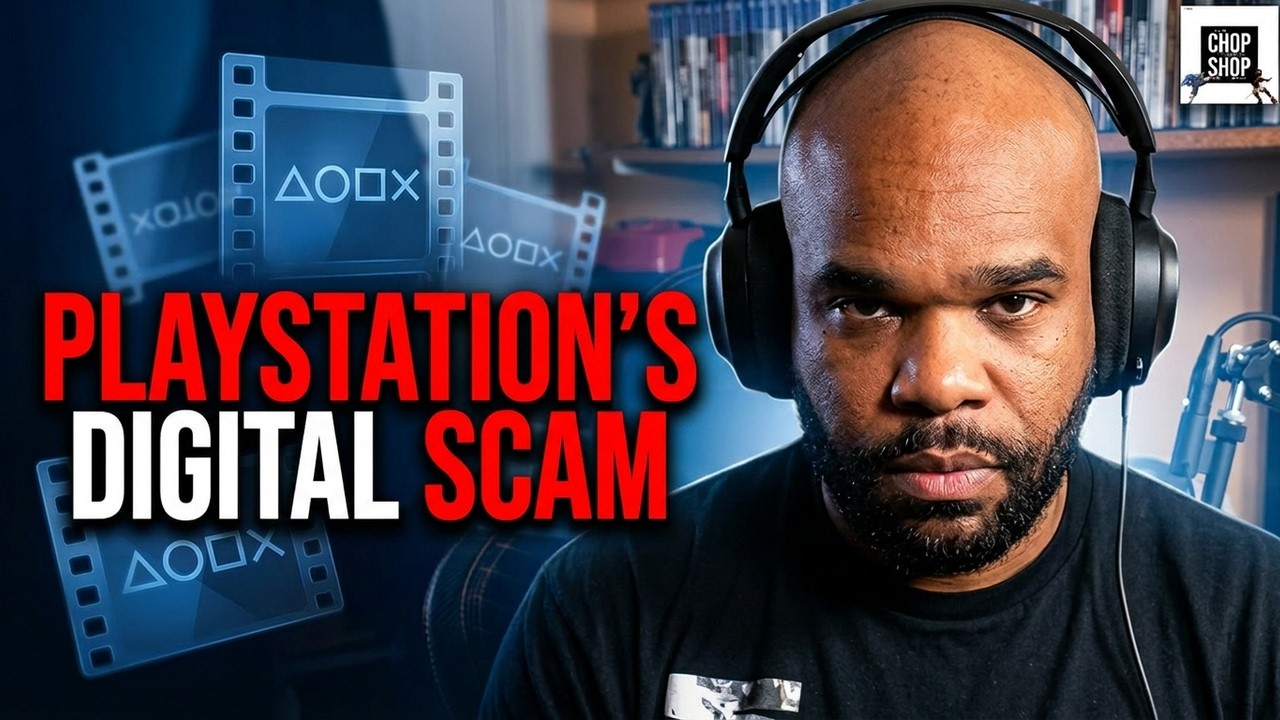
Consider Sony's purge of Studio Canal movies. Users had paid for these films, believing they owned them. Yet, due to expired licensing agreements—agreements the consumer had no part in negotiating or even knowing about—the content was simply removed from their libraries. No refund, no warning. This highlights a core vulnerability of digital purchases: your access is entirely dependent on the goodwill and continued business practices of the platform holder.

The GTA 6 situation exemplifies this trend within gaming. By opting for a digital-only release, Rockstar and Take-Two are pushing consumers into a model where ownership is nebulous. Even with a physical release, many modern games require extensive downloads and online activations, blurring the lines. But a completely digital-only release removes any semblance of traditional ownership, making the consumer entirely reliant on the platform's continued existence and their own internet connection.

The Fine Print of EULAs

Every time you install a game or use a digital service, you're likely agreeing to an EULA. These legal documents are designed to protect the company, and they often contain clauses that permit the removal of content. The GZ Chop Shop hosts pointed out that the PlayStation EULA, for instance, reserves the right for Sony to pull games from user libraries. This means that even if you paid for a game, the platform holder can, in theory, take it away. This power is rarely exercised, but its existence is a constant reminder of the fragility of digital ownership.

When you buy a physical game, you get the disc. The EULA still applies to the software on that disc, but the physical object itself is yours. It cannot be remotely deactivated or deleted by the publisher or platform holder. This provides a fundamental layer of security that digital files lack.

Why Physical Media Matters in 2026 and Beyond

As we move further into the digital age, the importance of physical media paradoxically increases. It acts as a hedge against several potential issues:

  • Store Closures: Digital storefronts can and do shut down. When a platform is no longer operational, any games purchased solely on that platform can become inaccessible. Physical copies remain playable, assuming you have compatible hardware.
  • Server Decommissioning: Many games, especially online-focused ones or those requiring activation keys, rely on company servers. When these servers are shut down, the game can become unplayable, even if you own it digitally. Physical copies often have offline modes or can be patched to function independently.
  • Content Licensing Issues: As seen with the Sony movie purge, licensing agreements can expire, leading to content removal. While less common with games, it's not unheard of for games to be delisted from digital stores due to rights issues, making them impossible to purchase digitally and potentially impacting existing licenses over time.
  • Archival and Preservation: Physical media is crucial for preserving gaming history. Enthusiasts and archivists can maintain collections of games that might otherwise be lost to time, ensuring future generations can experience them.

The resurgence in Blu-ray purchases for movies, despite the prevalence of streaming, is a testament to consumers valuing tangible ownership. The same logic applies to video games. When you buy a physical game, you're investing in a product that is more resilient and less dependent on corporate whims.

The Rising Cost of Digital Exclusivity

The confirmation that GTA 6 will launch at $80 is another point of contention. While inflation and development costs are cited, the shift towards digital-only models also plays a role. Without the costs associated with manufacturing discs, packaging, and physical distribution, digital games should theoretically be cheaper. However, publishers often leverage the convenience and control of digital distribution to maintain or even increase prices. This practice, driven by shareholder demands for profit, leaves consumers paying more for a product that offers less tangible value and greater risk.

Choosing physical media is not just about nostalgia; it's a pragmatic decision. It's about maintaining control over your purchased entertainment library. It's about supporting a more robust and consumer-friendly ecosystem. As the industry continues its march towards an entirely digital future, the act of buying a physical game becomes a quiet, yet powerful, act of consumer advocacy.

Supporting Physical Media as a Statement

When you opt for a physical copy, you're sending a signal to publishers and developers. You're indicating that there is still a significant market that values tangible products, lasting ownership, and freedom from arbitrary content removal. This support is vital for maintaining the viability of physical production lines and ensuring that the option remains available for consumers who prioritize it.

The GZ Chop Shop crew emphasizes that while digital is convenient, its inherent lack of permanence should not be ignored. By actively seeking out and purchasing physical versions of games whenever possible, you are investing in a more secure and liberated form of digital entertainment. It's a way to ensure that your collection remains yours, not just a temporary loan from a corporation.

For a deeper dive into the implications of digital ownership, the Sony movie purge, and the GTA 6 digital-only release, Listen to the full episode. Greg, Ty, and Uly offer sharp insights and candid opinions on why physical media matters more than ever.

Frequently Asked Questions

What are the primary risks of buying games digitally?

The primary risks of buying games digitally include the possibility of content being removed due to expired licenses or company decisions, digital storefronts shutting down rendering purchases inaccessible, and reliance on company servers that may eventually be decommissioned, making games unplayable.

How do EULAs affect digital game purchases?

End User License Agreements (EULAs) typically grant users a license to play a game, not outright ownership. These agreements often contain clauses allowing companies to revoke access to content or modify terms of service at their discretion, which can impact your ability to play purchased digital games.

Why is buying physical games considered 'true ownership'?

Buying physical games is considered 'true ownership' because you possess a tangible copy of the software that is not dependent on a company's servers or licensing agreements for its basic functionality. While EULAs still apply, the physical object itself cannot be remotely deleted or deactivated by the publisher.

Can a digital-only game like GTA 6 be played if the platform's servers go offline?

Typically, digital-only games require ongoing server access for verification or gameplay. If the platform servers go offline permanently, or if the game's online services are shut down, it's highly likely that the game will become unplayable, even if you purchased it, unless specific offline modes are included and function independently.