Gears of War: E-Day $400M Budget - Can Game Pass Save Blockbusters?
Discover how a massive $400 million budget for Gears of War: E-Day is reshaping the conversation around game development costs and the viability of blockbuster titles, especially with the rise of subscription services like Game Pass. This post dives deep into the financial tightrope AAA games walk and whether Game Pass is the safety net developers need.
Key Takeaways
- The $400 million reported budget for Gears of War: E-Day presents a significant financial challenge for recoupment, far exceeding that of many other blockbuster titles.
- Game Pass is analyzed as a critical factor, potentially offering a path to financial viability for high-budget games that might otherwise struggle to break even through traditional sales.
- The breakeven point for games like Spider-Man 2, requiring millions of full-price sales, highlights the immense pressure on traditional sales models to justify enormous development costs.
- Xbox's strategy, including its pricing and the inclusion of first-party titles on Game Pass day one, is scrutinized for its impact on the financial model for future AAA releases.
- The discussion probes whether the current industry trend of ever-increasing budgets is sustainable without revolutionary shifts in monetization or distribution models.
The Gargantuan $400M Question for Gears of War: E-Day
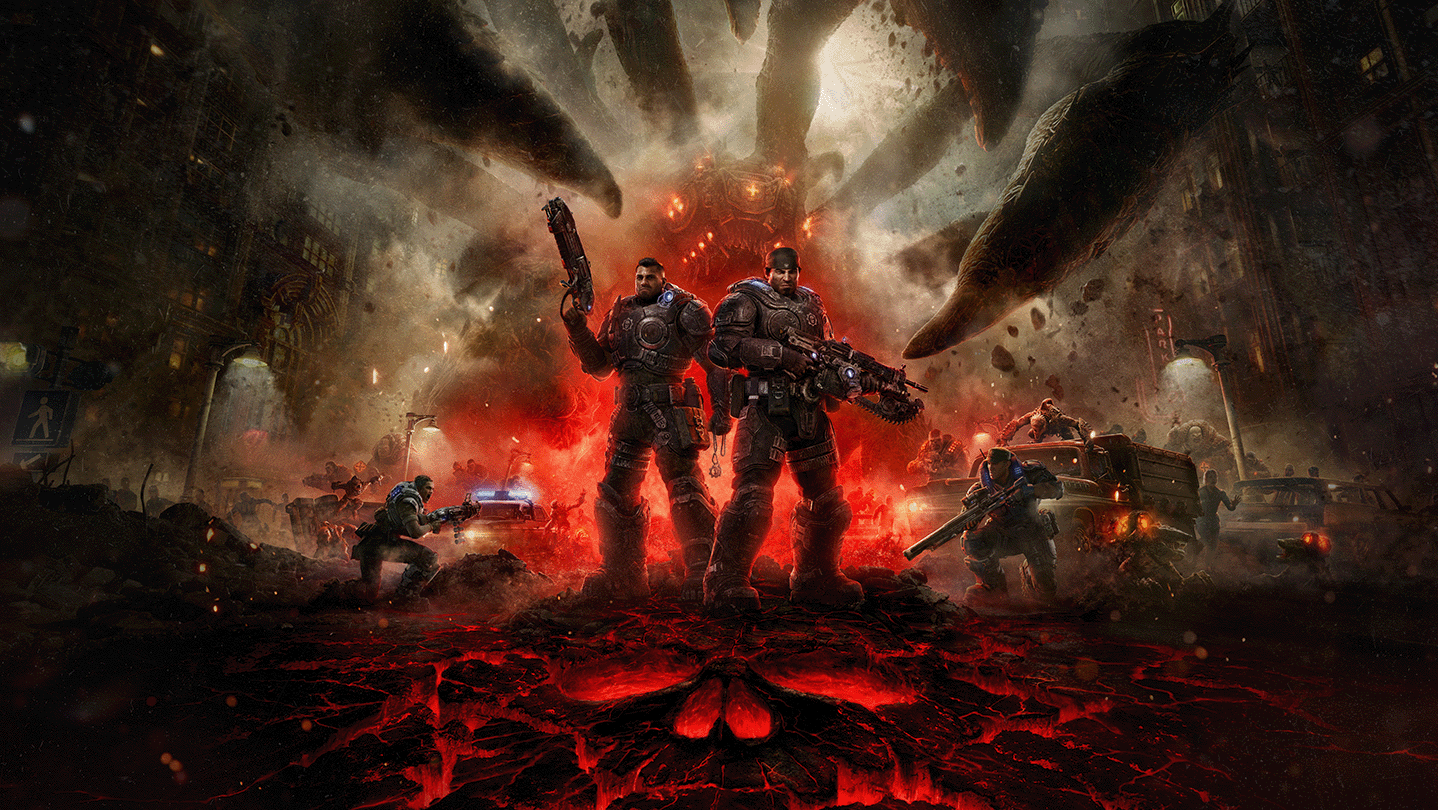
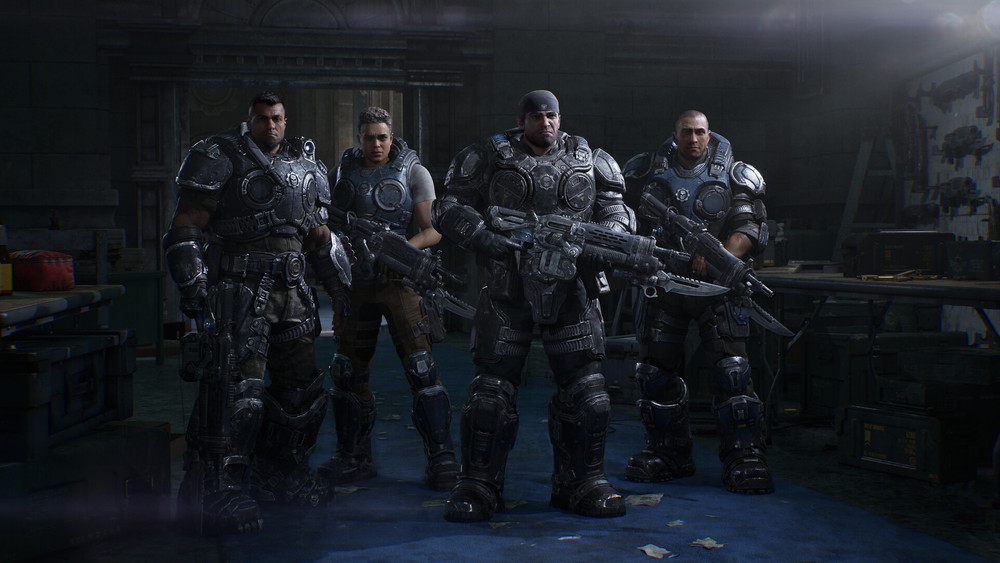
The gaming world was abuzz with the reported $400 million budget for the upcoming Gears of War: E-Day. This figure, if accurate, places it in an elite, and perhaps concerning, tier of game development costs. To put this into perspective, it dwarfs the reported $300 million budget for Marvel's Spider-Man 2. For that PlayStation exclusive to break even, it was estimated to need to sell around 7.2 million copies at full price. Now, imagine the sales target for a game with a $100 million higher development cost.
The original Gears of War franchise, while successful, has a lifetime sales figure of around 6.75 million copies for its second installment. This historical context makes the $400 million price tag for Gears of War: E-Day seem almost insurmountable through traditional sales alone. The industry is grappling with a consistent escalation in development budgets, driven by increasingly complex engines, hyper-realistic graphics, extensive motion capture, and massive open worlds. While these advancements offer unparalleled player experiences, they come with a commensurate price tag that strains traditional business models.
Game Pass: A Lifeline or a Different Kind of Risk?
This is where Xbox's Game Pass enters the equation as a potential game-changer, and perhaps a necessary one, for titles like Gears of War: E-Day. With Xbox's strategy of including all its first-party games on Game Pass from day one, the financial model shifts dramatically. Instead of relying solely on individual unit sales, developers and publishers can look to the subscription revenue generated by millions of players accessing the game through the service.
The theory is that Game Pass provides a guaranteed, albeit different, revenue stream. While it may not directly translate the $400 million investment into individual game purchases, it contributes to the overall health and subscriber base of the Game Pass ecosystem. This ecosystem, in turn, funds the development of future titles. However, this model also presents its own set of challenges. The per-player revenue from Game Pass is significantly lower than that of a full-price game sale. This means that for a $400 million game to be financially successful under the Game Pass model, it would need to contribute to a substantial increase in subscriber numbers or retention, or have other monetization strategies in play.
The Economics of Day-One Game Pass Releases
When a game as high-profile as Gears of War: E-Day launches day one on Game Pass, it serves as a powerful acquisition and retention tool for the subscription service. It incentivizes players to subscribe or remain subscribed. Microsoft likely factors the marketing and value proposition of these titles into their broader Game Pass financial projections rather than expecting them to recoup their entire budget through direct game sales within the service.
The concern for the wider industry, and even for Microsoft's own internal accounting, is whether this model is truly sustainable in the long term. While it allows for ambitious projects to be greenlit, it also potentially devalues the perceived worth of individual games. Players might become less inclined to purchase games at full price if they know they can access a vast library, including major new releases, for a monthly fee. This dynamic creates a complex balancing act for publishers and platform holders, each trying to optimize their revenue streams in an increasingly diverse market.
The Fragile Future of AAA Budgets
The conversation around Gears of War: E-Day's budget also forces a broader reflection on the trajectory of AAA game development. Are we in a bubble where budgets continue to inflate unchecked? What happens when a $400 million game, even with Game Pass, doesn't perform to expectations in terms of subscriber engagement or broader brand impact?
The comparison to Spider-Man 2's break-even point is stark. If a game that was a critical and commercial success on a premium platform struggled to justify its budget through sales alone, it underscores the immense risk associated with such high-stakes investments. Xbox's recent decision to increase the price of Game Pass might be an indicator of the pressure to make the subscription model more financially robust, especially when supporting these enormous development budgets.
Furthermore, Xbox's own strategic pivots, including exploring pricing adjustments and potentially bringing some of their exclusive titles to other platforms, add another layer of complexity. The long-term viability of a strategy that relies on massive, exclusive Game Pass launches hinges on its ability to consistently drive value for the subscription service and Microsoft's gaming division as a whole. The $400 million question for Gears of War: E-Day is not just about whether the game itself will be profitable, but what its financial performance, within the Game Pass ecosystem, will signal for the future of AAA game development and investment.
Remakes and Their Role in the Budget Discussion
It's also worth noting the context of the episode, which highlights the popularity of remakes during Summer Game Fest, with Resident Evil Code Veronica and the anticipation for potential remakes of games like Ocarina of Time. While remakes can sometimes have lower development costs compared to entirely new AAA IPs, they still represent significant investments. The success of remakes, like the lauded Resident Evil 4 remake, shows a strong market appetite for polished, updated classics. However, even these can have substantial budgets, albeit typically less than a brand-new, groundbreaking title.
The discussion on the GZ Chop Shop podcast touches upon how the success of remakes might influence investment decisions. If remakes and sequels are consistently topping wishlist charts and driving player engagement, it could steer development budgets towards these safer, more familiar bets. This, in turn, could potentially limit the space for truly original, high-risk, high-reward AAA projects if their budgets are also expected to climb into the hundreds of millions, pushing them inevitably towards models like Game Pass for financial salvation.
Conclusion
The $400 million figure for Gears of War: E-Day is more than just a number; it's a symptom of the evolving, and increasingly expensive, landscape of AAA game development. It forces us to re-evaluate the role of subscription services like Game Pass and question the long-term sustainability of current budget trajectories. As developers push the boundaries of technology and ambition, new financial models are not just beneficial, they are becoming essential for survival.
For a deeper dive into the Summer Game Fest winners, the financial implications of major game releases, and the heated debates surrounding remakes, be sure to Listen to the full episode on the GZ Chop Shop podcast. Greg, Ty, and Uly unpack all these complex industry issues with their signature sharp analysis.
Frequently Asked Questions
Is the $400M budget for Gears of War: E-Day confirmed?
The $400 million figure for Gears of War: E-Day is a reported estimate discussed on the podcast. While not officially confirmed by Microsoft or The Coalition, such figures often circulate within industry analysis and provide a basis for discussion regarding development costs and financial viability.
How does Game Pass affect the recoupment of high-budget games?
Game Pass can significantly alter recoupment strategies. Instead of relying on direct sales to cover massive budgets, developers and publishers can leverage Game Pass's subscription revenue. The game acts as a significant draw for subscribers, contributing to the overall health of the service, which in turn funds development, rather than needing to sell millions of copies at full price.
Can any game justify a $400M budget today?
The podcast discussion suggests that justifying such a colossal budget through traditional sales alone is incredibly difficult. Games like Gears of War: E-Day might only be financially viable through massive, consistent engagement with subscription services like Game Pass, or if they achieve unprecedented global sales figures, which is rare.
What is the risk for developers in this high-budget environment?
The primary risk is financial failure. If a game with an astronomical budget fails to meet its projected engagement metrics on Game Pass or falls short of ambitious sales targets, it can lead to significant losses. This environment also pressures developers to prioritize safer, often sequel-driven, projects over more experimental or original titles.