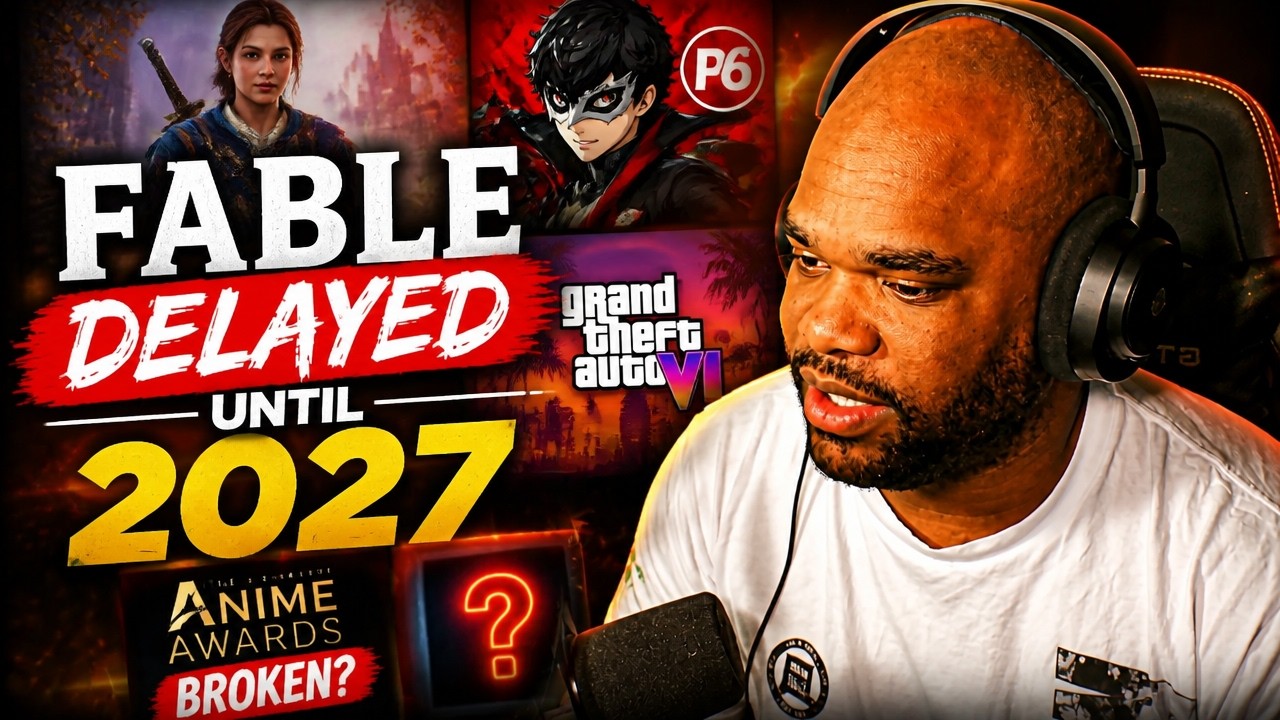
Fable's Delay: Navigating the GTA 6 Calendar Effect on RPG Release Strategies
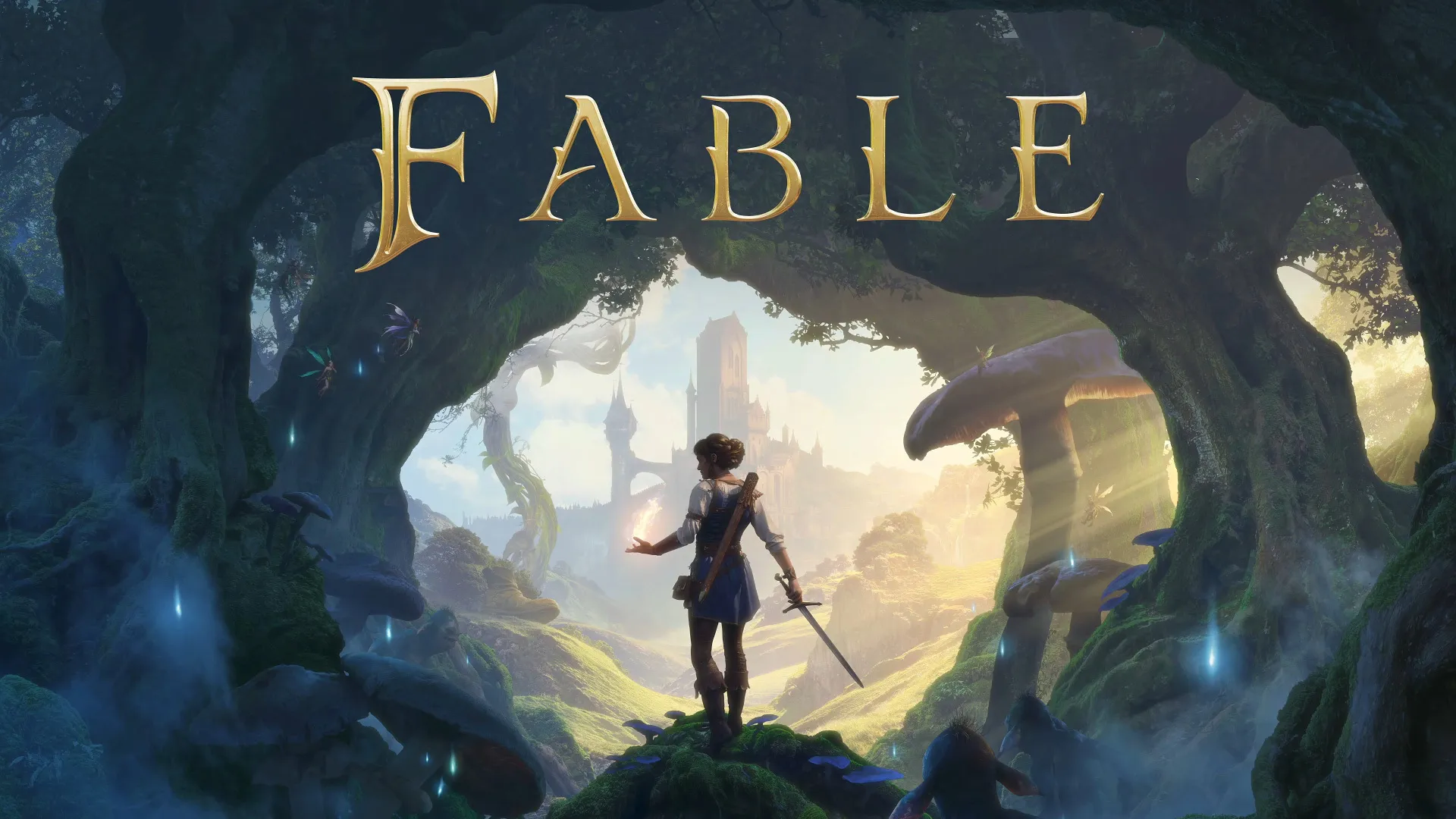
Fable's recent delay to February 2027 is a potent example of the 'GTA 6 calendar effect,' demonstrating how the anticipation of a single, colossal title can dramatically influence strategic release windows for other major games, particularly within the RPG genre. This shift highlights a new era of publisher caution.
Key Takeaways
- The 'GTA 6 calendar effect' forces RPG developers to strategically avoid launching against behemoths like GTA 6 to ensure market visibility.
- Fable's repositioning to 2027 suggests a trend of delaying highly anticipated RPGs to mitigate the risk of being overshadowed by major industry events.
- This phenomenon indicates that developer confidence and release planning for narrative-heavy, ambitious RPGs are increasingly tied to avoiding the 'gravity' of tentpole game launches.
- Publishers are now calculating the extended period of player and media attention that GTA 6 will command, impacting their own game's launch window and marketing potential.
- The delay signals a growing understanding that, for RPGs, a clear runway is more critical than adhering to traditional release seasons when facing a title with such immense cultural and commercial pull.
Fable's Strategic Repositioning
The decision to push Fable, a highly anticipated title from Playground Games, into February 2027 is more than a simple schedule adjustment; it's a calculated maneuver within the new landscape shaped by the impending release of Grand Theft Auto 6. This phenomenon, which we're terming the 'GTA 6 calendar effect,' isn't just about sidestepping direct competition in sales figures. Instead, it’s about managing the sheer, overwhelming gravitational pull that a title like GTA 6 exerts on player attention, media coverage, and the overall gaming zeitgeist. Microsoft and Playground Games aren't just moving a date; they are ensuring that Fable receives the spotlight it deserves, free from the suffocating shadow that GTA 6 is guaranteed to cast across the industry for an extended period. This move speaks volumes about the perceived risk of launching an ambitious RPG into a market saturated with the hype and anticipation surrounding Rockstar's next magnum opus.
The RPG Release Dilemma
Role-playing games, with their deep narratives, expansive worlds, and significant development cycles, often demand a considerable amount of player dedication and media fanfare to succeed. They are not typically impulse purchases; they are investments of time and engagement. Launching an RPG like Fable during the expected period of GTA 6 dominance would be akin to opening a new independent bookstore across the street from a national chain's flagship store during its grand opening week. The 'GTA 6 calendar effect' compels publishers to consider not just the immediate sales period but the sustained attention span of the gaming community. For RPGs, which often rely on word-of-mouth and long-term community engagement, a strong initial launch and sustained presence are crucial. By delaying Fable, its developers are prioritizing the opportunity to capture player attention without being immediately drowned out by the unprecedented hype and subsequent player engagement that GTA 6 will undoubtedly command. This strategic foresight is becoming increasingly vital for the success of large-scale RPG projects.
Reshaping Industry Confidence and Strategy
The 'GTA 6 calendar effect' extends beyond mere release date adjustments; it influences developer confidence and publisher risk assessment for major upcoming titles, particularly in genres like RPGs that require substantial lead-up and sustained engagement. The sheer scale of anticipation for GTA 6 suggests that the latter half of 2025 and potentially a significant portion of 2026 will be dominated by its presence. This forces publishers to re-evaluate their entire release roadmaps. Instead of targeting traditional lucrative windows like the holiday season or early spring, they are now strategically mapping out release dates that offer a clear path, free from the immense competitive pressure exerted by Rockstar's juggernaut. This recalibration signifies a growing maturity within the industry, acknowledging that sometimes, the most strategic move isn't to compete directly, but to wait for a more opportune moment. For RPGs, where player investment is so high, this careful timing can be the difference between a game being critically acclaimed and commercially successful, or simply getting lost in the noise of a more dominant, high-profile release. This strategic avoidance is becoming a cornerstone of modern game launch planning.
Looking Beyond the Shadow
Fable's move to 2027 is a clear signal that the industry is adapting to the reality of blockbuster releases from titans like Rockstar. This isn't necessarily a sign of weakness for Fable or other affected games, but rather a testament to the immense cultural and commercial power that GTA 6 wields even before its release. It necessitates a more nuanced approach to game launches, where understanding and anticipating the broader market's attention span is as critical as perfecting gameplay mechanics. The 'GTA 6 calendar effect' is a dynamic force, and its influence will continue to shape release strategies, particularly for ambitious, long-form experiences like RPGs, as developers and publishers strive to carve out their own space in an increasingly crowded and attention-scarce gaming landscape. This proactive rescheduling is vital for ensuring that highly anticipated games like Fable have the best possible chance to shine and connect with their intended audience.
For more insights into how major game releases are reshaping the industry, be sure to check out the latest episode of the GZ Chop Shop podcast, here.
Frequently Asked Questions
What is the 'GTA 6 calendar effect'?
The 'GTA 6 calendar effect' describes how the immense anticipation and guaranteed market dominance of a highly anticipated game like Grand Theft Auto 6 influence the release schedules and strategic planning of other game developers and publishers, often leading them to delay their own releases to avoid being overshadowed.
Why are RPGs particularly affected by this phenomenon?
RPGs often require significant player investment and rely on sustained media attention and word-of-mouth for success. Launching during the expected dominance of a title like GTA 6 can prevent these games from gaining initial traction and building their necessary player base.
Does Fable's delay mean it's in development trouble?
While development challenges can always play a role, Fable's delay to February 2027 is largely seen as a strategic decision to navigate the 'GTA 6 calendar effect' and ensure the game launches with the best possible conditions for success, rather than a direct indicator of internal development issues.
How does this affect the broader gaming industry?
It signals a shift in release strategy, with publishers becoming more cautious and prioritizing avoidance of major tentpole releases over traditional release windows. This can lead to a more staggered release schedule throughout the year, potentially benefiting games that strategically position themselves outside of these major event periods.
Why You NEED To Buy Physical Games— And How 2026 Just Made the Case Stronger